
MCA Stacking Explained: What Brokers and ISOs Need to Know Before Placing a Second Position
May 18, 2026 · MCA Broker Stack
MCA stacking is one of the most controversial and commercially important topics in alternative lending today. In 2026, brokers cannot afford to treat stacking casually. It sits at the intersection of underwriting, ethics, compliance, and merchant survival. This guide explains what stacking is, why it creates a default spiral, when a second-position deal may still be viable, what reverse consolidations really mean, and how brokers should navigate the current regulatory environment.
What Is MCA Stacking?
MCA stacking is the practice of placing a new merchant cash advance on top of an existing active MCA before the first advance has been materially paid down or satisfied. The merchant is now making daily or weekly payments to multiple funders at the same time.
The most common stacking pattern:
- A merchant takes a first MCA to address a working capital need
- The first MCA's daily payment reduces available cash flow
- The merchant experiences pressure and looks for more working capital
- Another broker places a second MCA to plug the gap created by the first
- The merchant now has two daily withdrawals instead of one
- Cash flow tightens further, and the merchant may seek a third advance
The second MCA often solves the merchant's immediate cash need while worsening the structural problem that caused it.

Why Stacking Is So Dangerous
Stacking increases repayment pressure because each funder is collecting against the same finite stream of receivables. The practical risks:
- Higher default probability
- Increased NSF activity and negative bank days
- Reduced renewal quality on the original funder's position
- Lower approval odds with mainstream funders going forward
- Greater scrutiny under emerging disclosure and conduct laws
- Long-term merchant distrust when the business owner realizes the funding strategy was unsustainable
First Position vs. Second Position: Why It Matters
| Position | Meaning | Risk to Funder | Broker Consideration |
|---|---|---|---|
| 1st Position | No active MCA or existing position near payoff | Lowest | Best rates, most funder options |
| 2nd Position | One active MCA already in place | Moderate–High | Fewer funders; tighter underwriting |
| 3rd Position+ | Multiple active MCAs | Very High | Limited options; extreme caution required |
For a deeper view of how funders evaluate any submission, see our breakdown of MCA underwriting criteria.
The Underwriting Red Flags That Make Stacking Dangerous
If a merchant is already carrying an MCA, your evaluation must become materially stricter before placing another one.
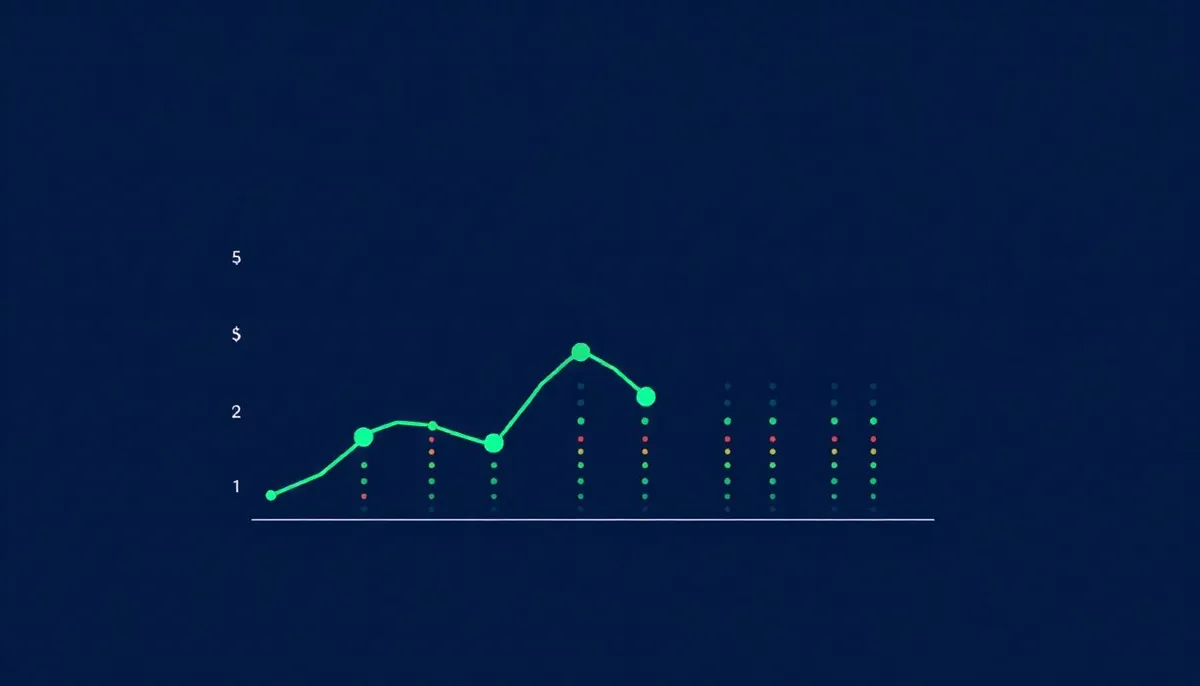
Key red flags:
- Low average daily balance — already operating without a buffer
- Frequent NSFs — account already hovering near failure
- Large first-position daily payment already consuming too much monthly cash flow
- Declining monthly revenue
- Recent liens, defaults, or collections behavior
- Merchant seeking capital primarily to cover existing MCA payments — the clearest signal of a stacking spiral
When a Second Position May Still Make Sense
- Strong revenue growth since the first advance — the merchant's revenue has increased materially and needs more capital to support genuine expansion
- The first advance is near maturity — 70–80% paid down; remaining burden is small
- Time-sensitive, documented opportunity — retailer buying inventory before a holiday season with demonstrable sell-through history
- Excellent bank statement health — very low NSF count, strong ADB, stable or growing deposits
Even in these situations, stress-test the merchant's projected cash flow under the new total payment burden before proceeding.
Reverse Consolidation: Tool or Trap?
A legitimate reverse consolidation should:
- Pay off existing MCA positions in full or nearly in full
- Reduce total daily payment burden materially
- Give the merchant a realistic path to stable operations
- Not be used primarily to generate another commission event
If the new structure increases total daily burden or leaves the merchant with more active positions than before, it is not a true consolidation.
The Compliance Reality in 2026
Texas HB 700 creates registration, disclosure, and conduct requirements for sales-based financing providers. Legal commentary around MCA litigation increasingly frames aggressive stacking as harmful. Brokers operating in disclosure-law states need to assume opaque multi-position deals will receive more scrutiny.
If you are placing a second-position deal, document:
- Why the merchant needs the new capital
- The merchant's current daily payment obligations
- The merchant's average daily balance and cash flow profile
- How the new structure affects total repayment burden
- Disclosures provided and merchant acknowledgment
Funders also expect properly perfected security interests on every position. If you are unsure how prior liens affect placement, review our guide to UCC filings in MCA deals.
A Practical Framework for Handling Stacking Requests
- Diagnose the reason for the request — growth capital, cash flow rescue, or debt service support? Only the first is generally healthy.
- Calculate the total current burden — add all daily/weekly MCA payments and compare to average monthly deposits.
- Review bank statement health — ADB, NSFs, negative days, and revenue trend over the last 90 days.
- Evaluate first-position maturity — nearly paid down changes the calculus significantly.
- Consider alternatives — could the merchant wait for a renewal? Could the current funder refinance?
- Submit only to funders that explicitly work second-position deals.
Frequently Asked Questions
Is MCA stacking legal? Stacking is not categorically illegal nationwide, but it operates in a rapidly tightening regulatory environment. State disclosure laws and litigation trends are making aggressive stacking riskier for brokers and funders.
What is the difference between a second position and stacking? A second position is a new MCA placed while one active position exists. Stacking is the broader practice of layering multiple active MCAs. In practice, brokers use "stacking" to describe more aggressive multi-position scenarios.
Should brokers ever place third-position deals? Only in extremely limited situations. By the time a merchant has three active MCA payments, default risk is materially elevated and mainstream funders are unavailable. Most brokers should treat third-position requests as a warning sign.
How do I protect myself if I place a second-position file? Document everything: use of funds, current payment obligations, statement health, and disclosures. Submit only to funders that knowingly work stacked files.
Published by MCA Broker Stack — the industry resource for MCA brokers and ISOs.